

For most ocean swimming in Australia, a wetsuit makes cold water bearable and adds some buoyancy. The right one depends on water temperature, how far and how hard you swim, and whether you race. This guide covers thickness, fit and construction, and is upfront about what the suits we currently list can and can’t do.
The short answer: Match thickness to water temperature first, then check shoulder freedom and fit. Every wetsuit we currently list is a Roxy surf-style suit for women or girls. These suit casual ocean swims, cold-water dips and nippers better than racing.
- Warm water, roughly low 20s °C and up: a 2/2mm springsuit.
- Cooler water, roughly high teens: a 3/2mm full suit.
- Cold water, roughly low-to-mid teens: a 4/3mm full suit.
- Racing triathlon or long swims: buy a purpose-made swim or triathlon wetsuit. We do not currently list one.
- A wetsuit adds buoyancy, not safety. Swim with others and tow a float.
Prices are in AUD, tracked daily from Australian retailers and shown as at the last update; check the retailer for the final price. Some links may earn us a commission at no cost to you. How we make money.
Swim wetsuit vs surf wetsuit vs triathlon wetsuit
Surf wetsuits are built for paddling, sitting on a board and taking knocks. They are designed for warmth and durability in the water and on the board. Shoulder flexibility is a secondary concern, and buoyancy is spread fairly evenly around the body.
Swim and triathlon wetsuits are built around the freestyle stroke. They typically use thinner, more flexible neoprene through the shoulders and arms so your recovery isn’t fighting the suit. Thicker panels sit at the hips and legs to lift you into a flatter position. Many also use a smooth outer coating to cut drag.
The practical difference shows up over distance. In a surf suit, a 500 m dip is fine. Over 2-3 km, many swimmers feel shoulder fatigue and a more restricted catch.
Our current wetsuits listings are Roxy surf-style suits, springsuits and boots, in women’s and girls’ ranges only. They are a reasonable choice for:
- casual ocean swimmers;
- winter dippers;
- nippers;
- anyone who also surfs or bodyboards.
If you race triathlon or enter long ocean swims with a time goal, a dedicated swim wetsuit is the better buy. Men will need to look beyond this list for now.
Wetsuit thickness explained
Wetsuit thickness is the main warmth control. Thicker neoprene holds more warmth and floats more, but it is stiffer, especially at the shoulders. Choose the thinnest suit that keeps you comfortable for the length of your usual swim.
As rules of thumb, not guarantees:
- 1-2mm springsuits (short arms and legs) suit warm water.
- 3/2mm full suits suit cooler water.
- 4/3mm full suits suit cold water.
How you feel the cold varies a lot. Lean swimmers and slower swimmers usually want more neoprene than the chart suggests.
How to read “3/2” or “4/3”
The first number is the torso thickness in millimetres. The second is the arms and legs. So a 3/2 is 3mm through the body to protect your core, and 2mm on the limbs for movement.
A single number such as 2/2 means the same thickness throughout. Some brands use thinner panels again at the shoulders. Check each listing, because the headline figure doesn’t always tell the whole story.
Australian water temperatures by season
Ocean temperatures vary with location, currents and the year, so treat these as broad, hedged ranges. Check a local forecast or surf club report before you swim.
- Tropical north (north Queensland, the NT, northern WA): generally warm year-round, often mid-to-high 20s. Many swimmers skip a wetsuit or use a thin springsuit. Stinger season brings its own precautions, so follow local advice.
- East coast, from south-east Queensland to Sydney: roughly low-to-mid 20s in late summer. Water can fall into the high teens in winter. A springsuit covers summer, and a 3/2 covers winter.
- Southern states (Victoria, Tasmania, South Australia, southern WA): often high teens at best in summer. Water can drop to the low teens in winter. A 3/2 handles summer, while 4/3 plus boots is common for winter.
If you enter organised ocean swims or triathlons, check the event’s wetsuit rules. Some events set wetsuit categories or temperature cut-offs, and these vary by organiser and governing body.
Chest-zip vs back-zip, and seam types
Zip position
Back-zip suits have a long zip down the spine with a pull cord. They are easier to get into and out of, especially when you’re cold. The trade-off is that they can let more water in at the neck, and the zip panel slightly stiffens the back.
Chest-zip suits have a short zip across the chest. Usually this gives a better neck seal and more back flex, but they take practice to get on.
Most swim-specific triathlon suits use a back zip with a long cord for fast removal.
GBS and flatlock seams
Flatlock seams are stitched through the neoprene and lie flat. They are comfortable and durable, but they let a little water through the stitch holes, so they suit warm-water suits.
GBS (glued and blind-stitched) seams are glued, then stitched only partway through the material. This keeps them close to watertight, so they suit 3/2 and thicker suits for cooler water. Some premium suits also tape the seams on the inside.
Check each listing for seam type, because it isn’t always in the product name.
Sizing and fit
A swimming wetsuit should be snug everywhere, with no folds or air pockets at the lower back, armpits or knees. Loose neoprene fills with water, and that cold water gets flushed through every stroke.
It should not restrict your breathing or press hard on your throat. The neck should seal without choking you.
Use the brand’s size chart, which usually lists height, weight and chest measurements. If you are between sizes, height and chest usually matter more than weight.
Test the fit before you rely on it:
- Put the suit on slowly, working the neoprene up from the ankles.
- Pull the fabric up at the crotch and armpits so the shoulders aren’t loaded.
- Make a full freestyle arm circle. If your shoulders feel pulled down, the suit is either too small or not working the material up enough.
Fingernails tear neoprene, so use the pads of your fingers. Rinse the suit in fresh water after every swim and dry it in the shade.
Wetsuits currently listed, by water temperature
All of the suits below sit in our wetsuits and open-water hub. Each one is a women’s or girls’ Roxy surf-style suit.
Springsuit for warm water
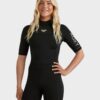
This is a 2/2mm back-zip springsuit, with the same thickness throughout and a short-arm, short-leg cut. It suits women doing summer ocean swims or dips on the east coast and in the north, where a full suit would overheat you. Skip it for southern winter water or long swims where your arms need cover. Check the listing for seam type.
3/2mm full suit for cooler water

This is a women’s 3/2mm full-length back-zip suit, with a thicker torso and thinner limbs. It is the most versatile thickness for year-round swimming in temperate water. It suits casual ocean swimmers and cool-season dippers who want easy entry. Skip it if you race or swim long distances often, because a swim-specific suit will free your shoulders more. Check the listing for seam construction.
4/3mm for cold water
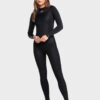
This is a women’s 4/3mm back-zip full suit for cold water, such as winter swims in Victoria, Tasmania or South Australia. It suits regular cold-water dippers who stay in for comfort rather than pace. Skip it in water warmer than the high teens, where you will overheat and feel the extra stiffness. Check the listing for seam sealing.
Stretch, premium chest-zip
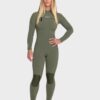
This 3/2mm chest-zip suit carries the Elite Xtra Stretch label. Its name also references Primaloft, a branded insulation. It suits women who surf as well as swim and want a chest-zip neck seal in cooler water. Skip it if swimming is your main use: at this level of spend, a purpose-made swim wetsuit is the better fit for freestyle. Check the listing for where the Primaloft is used and the seam type.
Girls’ wetsuit for nippers and juniors
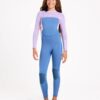
This is a girls’ 3/2mm back-zip full suit, sized across ages 2-16 according to its name. The back zip makes it easier for kids to get on and off on a cold beach. It suits nippers, junior surf club members and kids doing cool-season dips. Skip it for junior triathletes who race, and check your club or event rules before buying. Check the listing for the size chart, because a snug fit matters more than room to grow.
Goggles to pair with your wetsuit
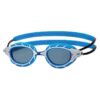
These are unisex adult goggles. The retailer listing says they come in two frame sizes, regular and a smaller profile, and have a soft gasket and a pulley-adjust double strap. The listing also claims UV protection and anti-fog. They suit lap swimmers who also swim outdoors and want one pair for both. Skip them if you want a wide-view mask for choppy or bright ocean conditions. For those, browse open-water goggles and masks.
Comparison table
| Product | Type / thickness | Best for | Currently from |
|---|---|---|---|
| Roxy Women’s 2/2mm Prologue+ Back Zip Springsuit | Springsuit, 2/2mm, back zip | Warm-water swims and dips | $143 |
| Roxy Women’s 3/2mm Prologue Back Zip Flt Wetsuit | Full suit, 3/2mm, back zip | Cooler water, year-round temperate swims | $249.99 |
| Roxy Women’s 4/3 Prologue Backzip Wetsuit | Full suit, 4/3mm, back zip | Cold southern winter water | $263 |
| Roxy Women’s Primaloft 3/2mm Elite Xtra Stretch Chest Zip Wetsuit | Full suit, 3/2mm, chest zip | Cooler water, surf-and-swim use | $549.99 |
| Roxy Girls 2-16 3/2mm Prologue Backzip Wetsuit | Girls’ full suit, 3/2mm, back zip | Nippers and junior dips | $199.99 |
| Zoggs Predator Goggles | Goggles, two frame sizes, pulley-adjust double strap | Pool and outdoor swimming | $39.99 |
Open-water safety
A wetsuit makes you float higher and stay warmer, but it is not a flotation device. It does nothing about rips, fatigue, cramp or cold shock.
Before and during every ocean swim:
- Check conditions. Look at swell, wind, tide and any warnings. Swim between the flags at patrolled beaches.
- Swim with others. Tell someone on shore your route and expected finish time.
- Tow a bright float. It makes you visible to boats, paddlers and lifesavers, and gives you something to rest on.
- Wear a bright cap. It makes your head easier to spot in the water.
- Build cold-water time gradually. Get out as soon as you start shivering hard or your hands stop working well.
Frequently asked questions
Can I use a surf wetsuit for ocean swimming?
Yes, for casual swims, dips and shorter distances. A surf wetsuit keeps you warm and adds buoyancy. The trade-off is shoulder flexibility, because surf suits aren’t cut around the freestyle stroke, so long swims can tire your shoulders sooner. If you race triathlon or regularly swim several kilometres, a purpose-made swim wetsuit is the better choice. Check event rules before racing in any suit.
What thickness wetsuit do I need?
As a rule of thumb, wear a 1-2mm springsuit in warm water, roughly low 20s °C and above. Wear a 3/2mm full suit in the high teens, and a 4/3mm in the low-to-mid teens. Adjust for your build, swim length and cold tolerance. Lean or slower swimmers usually want more neoprene. If you swim through the year in southern states, you may end up owning two suits.
How tight should a swim wetsuit be?
Snug all over, with no sagging at the lower back, armpits or knees, but never so tight it restricts your breathing or presses on your throat. Work the neoprene up from the ankles so the shoulders have slack for a full arm circle. A suit that feels slightly tight on land usually feels right once wet. If you’re between sizes, follow height and chest measurements.
Do I need a tow float?
For any swim outside a patrolled area or away from the shore, yes. A brightly coloured tow float makes you far easier for boats, paddlers and lifesavers to see. It also gives you something to hold if you cramp or need a rest. It doesn’t replace swimming with others or checking conditions. Many organised events supply their own safety rules, so check those too.